
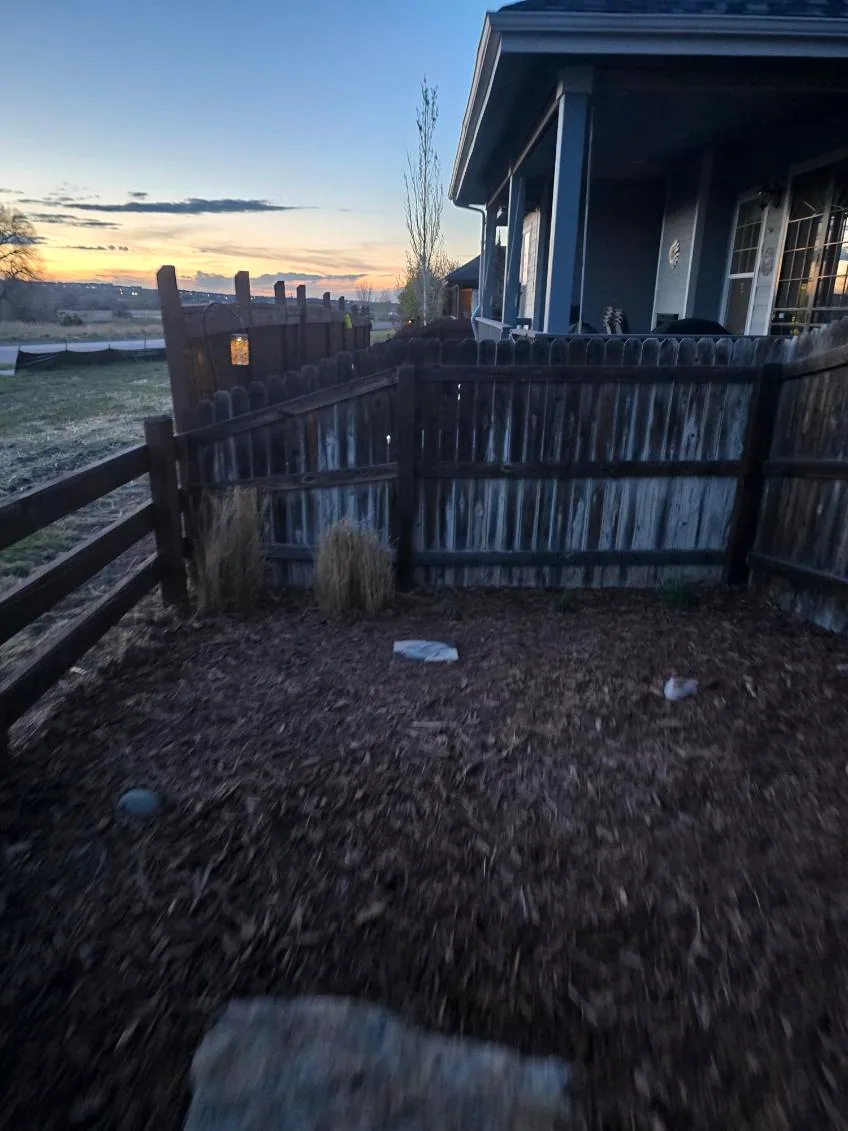
A fence does a lot of quiet work around a home. It gives you privacy, keeps pets and kids in the yard, marks the property line, frames the landscape and adds curb appeal from the street. Choosing the right one starts with knowing what you want it to do and which material suits the way you live.
Start With the Job the Fence Needs to Do
Before looking at materials, think about the main purpose:
- Privacy. A taller, solid fence that screens the yard from neighbors and the street.
- Containment. A secure fence and gates that keep pets and children where they belong.
- Curb appeal. A lower decorative fence that defines a front yard or garden.
- Security. A fence that limits access around the back of the home.
Many yards need more than one of these, which is why a project might combine a privacy fence in back with a decorative fence or gate out front.
Comparing Fence Materials
Wood and Cedar
Wood privacy fences and cedar fences are classics for good reason. They have a warm, natural look that suits most homes, and cedar in particular brings rich color and grain.
- A natural look that blends into the landscape
- Easy to customize in height, style and gate design
- Needs periodic care, such as staining or sealing, to hold up to sun and moisture swings
Vinyl
Vinyl fencing is the low-maintenance choice.
- Resists fading, warping and rot
- Needs virtually no maintenance beyond occasional cleaning
- A clean, uniform look that suits many newer neighborhoods
Composite
Composite fencing combines the look of wood with long-term durability.
- The appearance of wood without the same upkeep
- Built to stand up to moisture and UV exposure
- A good middle ground for homeowners who want a wood look with less maintenance
Decorative Fencing
For front yards, garden borders and pool enclosures, a decorative fence adds structure and character without closing the space in.
What Makes a Fence Last Along the Front Range
The material matters, but how a fence is built matters just as much. Colorado's clay-heavy soil, freeze-thaw cycles and Front Range wind are hard on fences that are not set properly.
A fence built to last should have:
- Posts set below the frost line and in concrete, so freezing ground does not heave them out of line
- Properly braced corners that keep long runs straight
- Level, square sections that look right from every angle
- Gates hung to swing freely and latch securely, without sagging over time
Check HOA Guidelines First
Many neighborhoods around Longmont, Louisville, Erie and beyond have HOA rules on fence height, style and materials. It is worth checking those guidelines before you settle on a design, and we review them as part of planning every fence.
Repair or Replace?
Not every tired fence needs to come out. Wind damage, a rotted post or a sagging section can often be repaired. When posts are failing along the whole run or the material has reached the end of its life, replacement usually makes more sense.
Planning Your Fence
Winter is a good time to plan a fence for spring: you can settle on a material, check HOA guidelines and have a layout ready before the busy season. Learn more on our fencing services page, or request a free consultation and we will walk your property line with you.